Kemball School
Science
Intent:
At Kemball School, we are passionate about the teaching of science. We reinforce an expectation that all pupils are capable of high standards in science and thrive to provide a science education that embodies the ability to progress learning and thrive. We aim to adapt our strategies to suit the unique needs of the pupils in our school, so that they can access scientific learning appropriately, in accordance with the pathways they are in. Learning is delivered in an exciting way that inspires pupils to be a part of the learning process and fosters curiosity, the ability to ask questions, learn new knowledge and learn new Scientific vocabulary. Pupils are encouraged to think scientifically, ask questions and be curious about their surroundings in order to provide the foundations for pupils to understand the world around them. Teachers, alongside the curriculum coverage work to develop a love of science and a positive attitude to science learning within their classrooms. This enables pupils to foster the ability to think critically and problem solve, skills they can transfer to their everyday life and learning.
Science curriculum Implementation:
As our children move through the school, we believe that they should become increasingly more aware of the different disciplines of Biology, Chemistry and Physics. We aim to provide a balance across the year that covers the three disciplines and supports progression of understanding.
In lessons, pupils are encouraged to think, explore, and develop their ability to reflect, predict, adapt, analyse, and understand simple cause-and-effect relationships across all pathways, at a level appropriate to their needs. Teachers carefully sequence learning to provide a clear focus, enabling pupils to build on prior knowledge, deepen their understanding, and challenge themselves as they make sense of the world around them. The curriculum is broad and balanced, covering a wide range of scientific topics and experiences. Pupils are given regular opportunities to explore the outdoor environment and local community, helping to develop their scientific enquiry, curiosity, and investigative skills. Science is also closely linked to our Eco Schools provision, which is an important part of the school’s ethos, encouraging pupils to care for and understand the world around them.
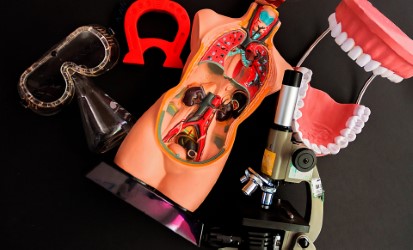
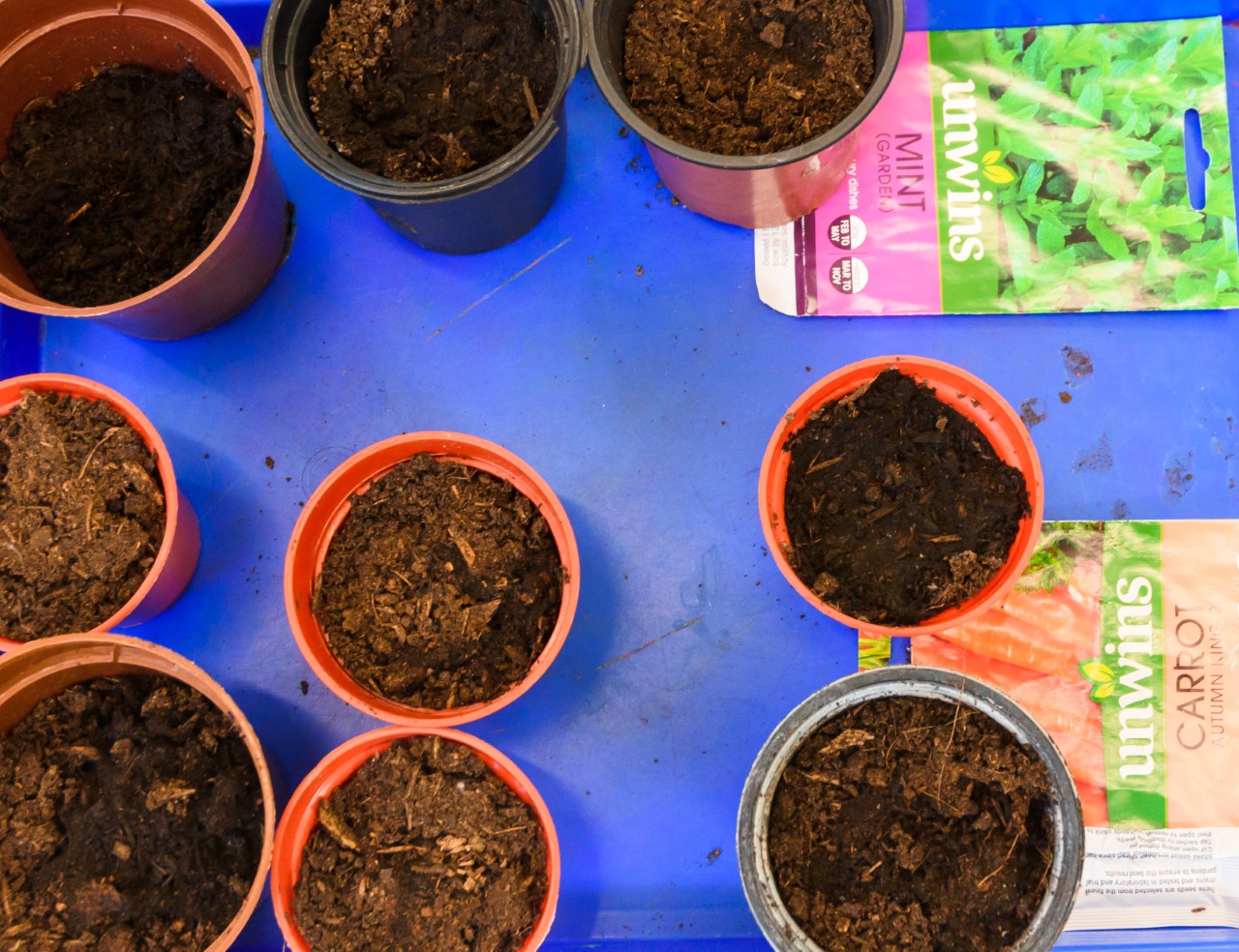
We allow our children to use newly learned vocabulary in all aspects of learning and make links with science and the wider world throughout their day. Pupils have the opportunity to take lessons outdoors as well as engaging in hands on learning with tools and equipment to carry out scientific experiments. Skills are revisited and developed over the years which enables the children to consolidate the skills they have learned and transfer these as the curriculum develops.
Our children get excited when discussing science lessons and the enjoyment they have in them. The children can reflect on learning and its outcomes clearly and confidently, making links to the wider world where appropriate.
Progress in Science is demonstrated through regular reviews to ensure there is a clear and coherent progression of skills being taught. Pupil voice is also taken into account, with a sample of children from some classes invited to discuss their science learning. This provides valuable insight into pupils’ engagement, with children often reflecting positively on the lessons they have experienced and taken part in. It also offers an opportunity for pupils to demonstrate their understanding and confidently use new vocabulary in the correct context.
Our curriculum is different depending on the pathway that a child is in and assessment of pupil’s progression also differs depending on the pathway in which our pupils’ access.
Early Years Foundation Stage:
In our Early Years Foundation Stage teaching staff focus on aspects in Understanding the World to build the children’s knowledge, vocabulary and curiosity, however Scientific thinking is embedded in other areas of the EYFS curriculum. Outdoor learning opportunities feature within the provision of the curriculum. Teacher’s theme lessons around topics to inspire and make learning exciting to pupils. Pupils engage within a sensory curriculum. Scientific links are made cross curricular with other subjects where applicable.
Engagement and Multi-Sensory:
In our Engagement and Multi-Sensory pathways pupils are encouraged to build the children’s knowledge, vocabulary and curiosity through repetition and a sensory based curriculum. Outdoor learning opportunities feature within the provision of the curriculum. The curriculum allows for pupils to foster an enjoyment for scientific learning and a development of skills. Science is not explicitly taught but scientific links are made cross curricular when opportunity occurs.
Progression Pathway:
In the Progression Pathway, learning is carefully structured in line with the National Curriculum through working scientifically skills, vocabulary, and conceptual understanding, and is adapted to meet the diverse needs of all pupils. Learners working on early milestones explore the world through sensory experiences, selecting and naming objects using single words or symbols and noticing simple cause and effect through hands-on play.
As they progress through the milestones, learners move towards more formal scientific thinking, including controlling variables with support, interpreting and presenting data using graphs, explaining findings using evidence and demonstrating a developing ability to think and work like young scientists while building secure foundational knowledge across all topics.
Science is taught for two full days over a half term to ensure learning is embedded and scientific skills are regularly revisited and strengthened across the curriculum.
Functional Pathway:
Within our Functional Pathway, learners follow either ‘Vocational’ or ‘Life Skills’. Our Vocational pupils take part in an engaging weekly afternoon Science session, where they explore a range of topics carefully mapped across the curriculum for each year group. Learning is designed to build on prior knowledge, with teachers using the assessment steps on Insight across the three key strands of Science (Biology, Chemistry and Physics) to identify pupils' starting points and plan meaningful next steps. Progress is monitored throughout the year, with assessments uploaded termly to celebrate achievement and inform future learning.
For our Life Skills pupils, scientific understanding is developed through practical, real-life learning experiences embedded within ASDAN topics linked to the Preparation for Adulthood pathways. These meaningful activities encourage pupils to make connections between science and everyday life while developing curiosity, independence and problem-solving skills. This approach helps pupils to see the relevance of science beyond the classroom and into their future lives.
POST 16
Maple and Coalport 3 access a post 16 'Towards Adulthood' curriculum. Our young adults are encouraged to build their knowledge, vocabulary and curiosity through repetition and a multi-sensory curriculum. The curriculum allows for pupils to foster an enjoyment for scientific learning and a development of skills. Science is taught as part of our topic sessions which learners’ access weekly. Teacher’s theme lessons around topics to inspire and make learning exciting to pupils. Pupils engage within a sensory curriculum. Scientific links are made cross curricular with other subjects where applicable.
Aspirations for the future:
At Kemball School, we are committed to preparing our pupils for the next stage of their learning journey and for life beyond school. We regularly talk with children and their families about their aspirations, interests and the opportunities available to them when they leave Kemball.
Some of our pupils may go on to pursue careers that involve scientific knowledge and skills, while all children will benefit from developing scientific thinking in their everyday lives. Through our science curriculum, we aim to equip pupils with the knowledge, enquiry skills and rich scientific vocabulary they need to become confident, curious learners who are well prepared for their future.
For those pupils who learn through a sensory based curriculum, we aspire to give them the critical thinking and understanding required in order to explore the world around them.
Impact:
Pupils at Kemball School are happy and confident individuals. They are taught to question, be curious and be as independent as possible within their learning. Pupils at Kemball School develop a balanced Scientific understanding across the three disciplines of Biology, Chemistry and Physics which enables them to be part of a wider society and prepares them for life beyond school.