Kemball School
Geography
Intent
At our school, Geography provides learners with opportunities to develop an understanding of the world around them, their place within it, and the connections between people, places, and environments. The curriculum is designed to be accessible, meaningful, and relevant across all four pathways, enabling learners to explore their local community, wider society, and the wider world through experiences that reflect their individual needs, interests, and aspirations.
Through Geography, we aim to develop learners' curiosity, independence, environmental awareness, and understanding of sustainability. We seek to equip learners with the knowledge, skills, and confidence needed to navigate and engage with their communities, make informed decisions, and prepare for adulthood. Geography supports learners in becoming active citizens who appreciate diversity, understand global issues, and recognise their role in caring for the environment.
Implementation
The Geography curriculum is delivered differently across each pathway to ensure learning is appropriately matched to learners' developmental stages, communication needs, and future destinations.
Multi-Sensory Pathway
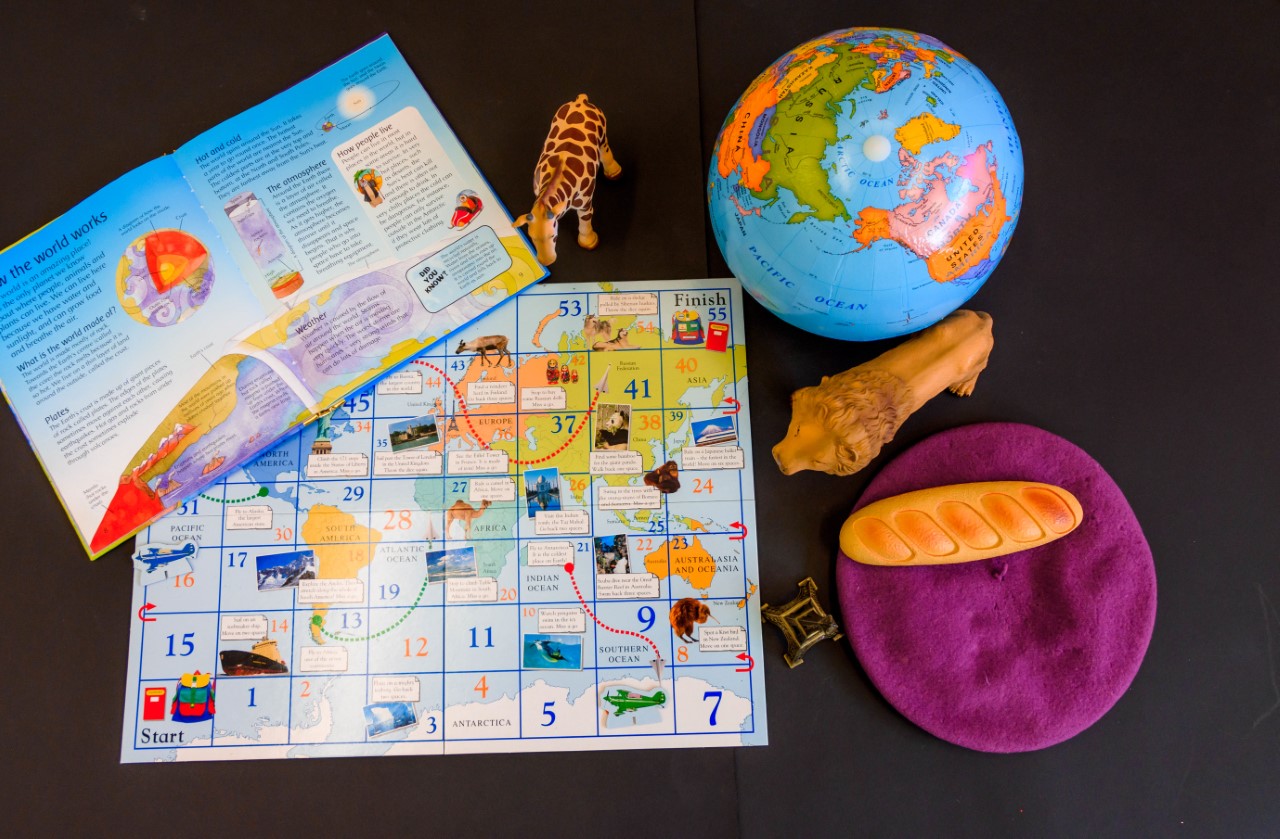
Learners access Geography through sensory-based experiences linked to overarching themes during My Independence sessions. Learning focuses on exploration, awareness, and engagement with people, places, weather, environments, and the natural world through practical and experiential activities. Progress is captured through fortnightly Evidence for Learning (E4L) observations where geographical learning is evident within the themed curriculum.
Engagement Pathway
Geography is delivered through themed Understanding the world and Expressive Arts sessions that encourage learners to investigate people, places, environments, and communities through engaging, practical, and sensory experiences. Learning is embedded within broad themes that provide opportunities for learners to make connections with the world around them. Progress and engagement are recorded through fortnightly E4L observations where relevant.
Progression Pathway
Geography is taught through discrete topic lessons, with Geography being taught for 1 week per half term. Learners develop geographical knowledge, understanding, and skills through the study of a range of local, national, and global themes. The curriculum promotes enquiry, critical thinking, and an understanding of the relationships between people, places, and environments, preparing learners for further study and active citizenship. Enhanced provision will also be in place to provide extension activities and recap on previous knowledge. Progress and skills are recorded through E4L observations and in workbooks. Insight is also used to assess general geographical skills across the curriculum.
Across all pathways, Geography is enriched through educational visits, community engagement, outdoor learning opportunities, and experiences that promote learners' understanding of their environment and wider world.
Functional Pathway
Learners develop geographical knowledge and skills through practical, real-life contexts. Geography is embedded within accredited and preparation-for-adulthood programmes including Duke of Edinburgh, ASDAN, Travel Training, Careers education, and Options groups. Learners explore navigation, local and wider communities, environmental responsibility, sustainability, green careers, and the use of resources. Gardening and hospitality activities provide opportunities to apply geographical understanding in meaningful and vocational contexts.
Impact
The impact of the Geography curriculum is that learners develop a greater understanding of themselves, their communities, and the world around them. They gain knowledge, skills, and experiences that support increased independence, environmental awareness, and preparation for adulthood.
Learners demonstrate progress through increased engagement, curiosity, communication, and participation in geographical experiences appropriate to their pathway. They develop a stronger understanding of local and global environments, sustainability, and the relationships between people and places.
For learners in the Functional and Progression pathways, Geography contributes to the development of practical life skills, employability skills, community participation, and informed decision-making. Learners are better prepared to travel independently, engage positively within their communities, consider future career pathways, and understand the importance of environmental responsibility.
Evidence of impact is gathered through E4L observations, accredited outcomes, learner voice, assessment activities, educational visits, and the application of geographical knowledge and skills in real-life contexts. Ultimately, learners leave school with a broader understanding of the world and the confidence to participate within it as independently and successfully as possible.