
Kemball School
Maths
Maths Curriculum Statement
At Kemball School, we believe that mathematics is an essential life skill that empowers pupils to become confident, independent and active members of their communities. Our mathematics curriculum is designed to ensure that every pupil, regardless of need, starting point or pathway, experiences success and develops the knowledge, skills and understanding required to access the world around them.
We recognise that our pupils learn in different ways and at different rates. Through ambitious, personalised and meaningful learning experiences, we develop mathematical understanding that is transferable to real-life contexts. Our curriculum places equal importance on conceptual understanding, communication, reasoning, problem solving and functional application.
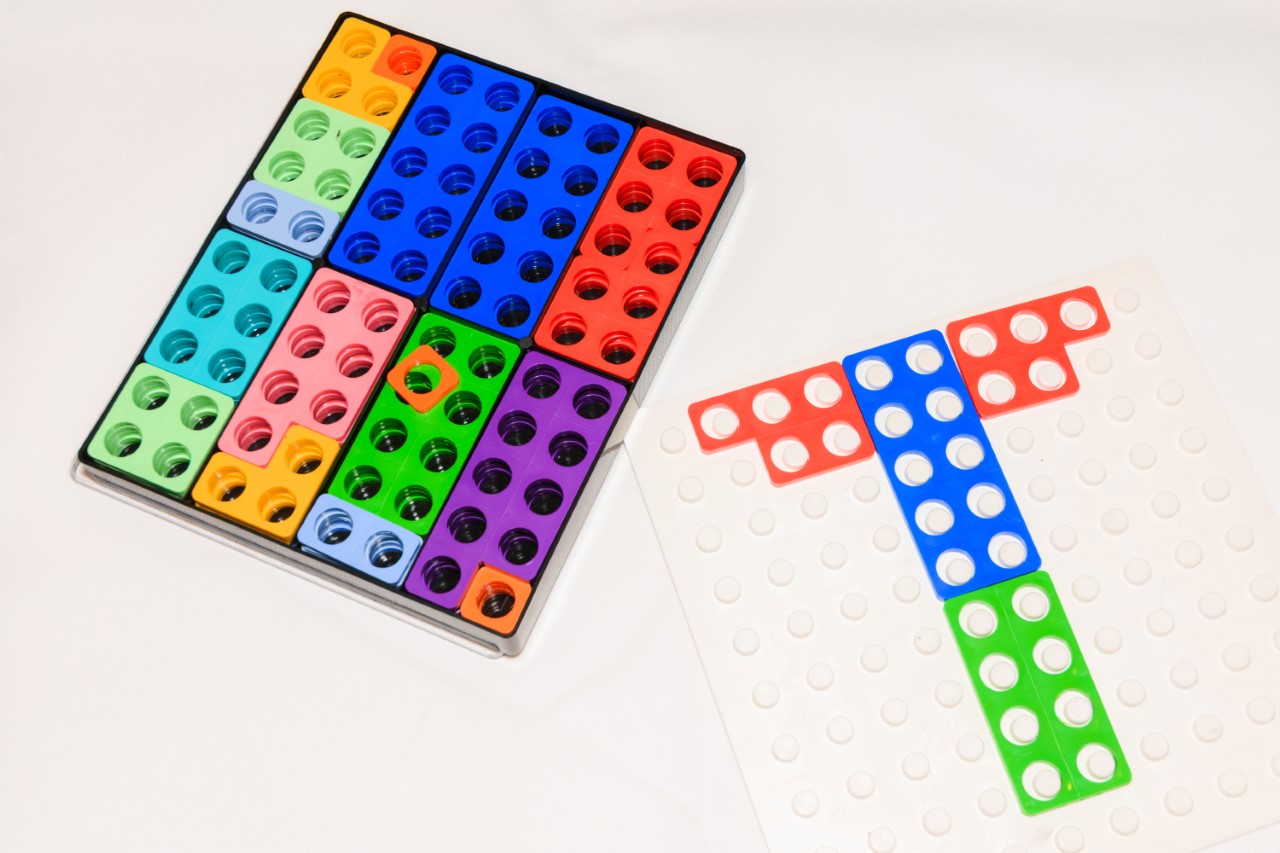
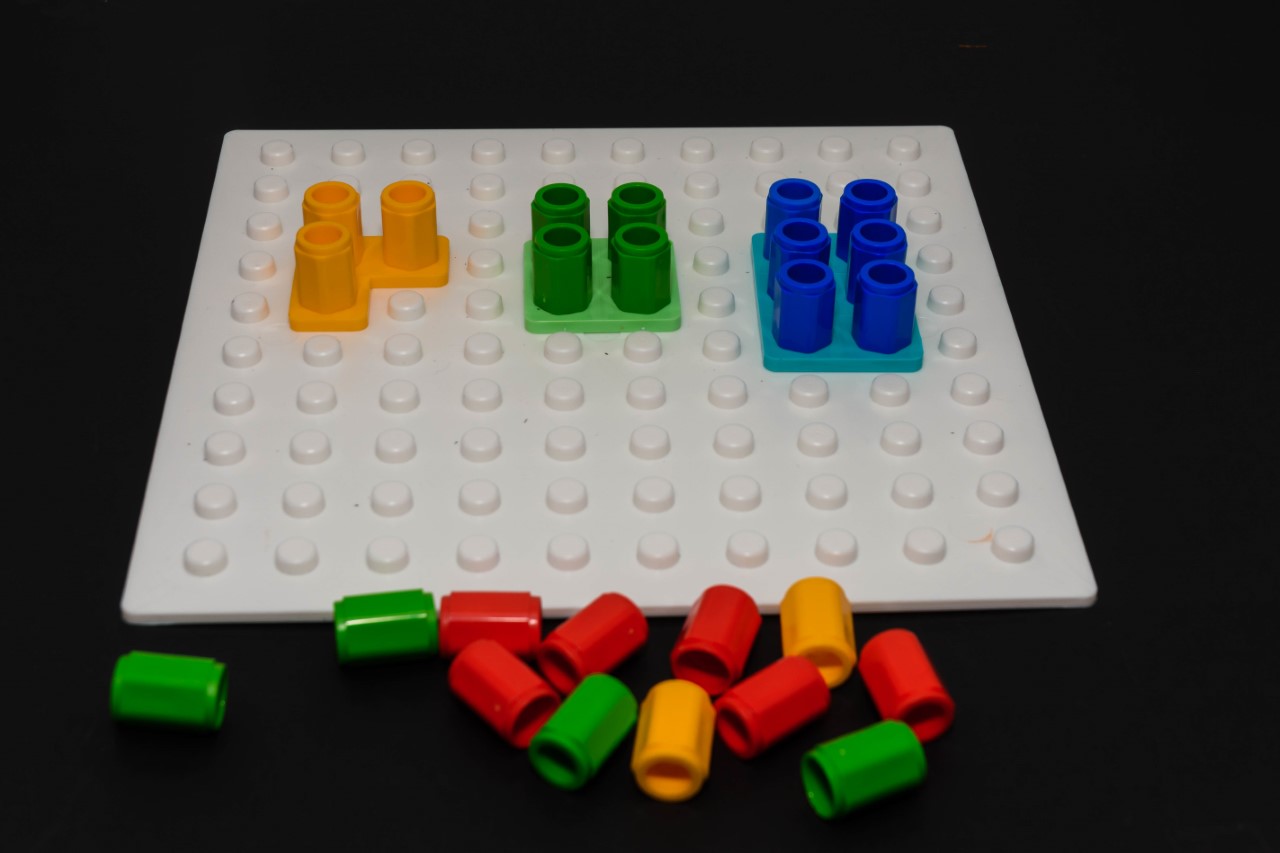
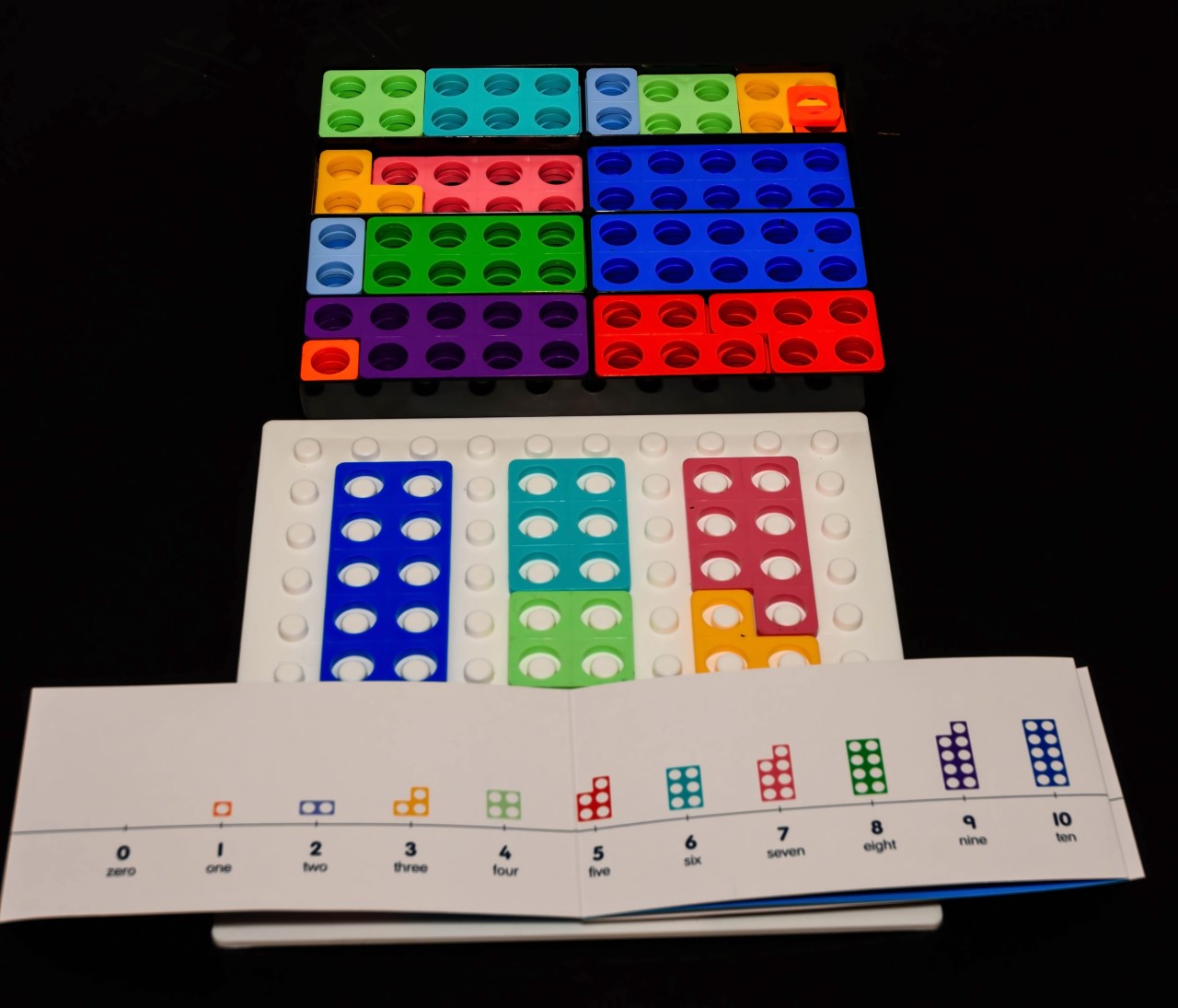
As a Numicon Advocate School, Numicon forms the foundation of our mathematics provision and is embedded throughout teaching across the school. Combined with the Concrete–Pictorial–Abstract (CPA) approach, it enables pupils to develop secure mathematical understanding through practical, visual and abstract experiences.


Our Ambition
Our mathematics curriculum is designed to:
-
provide every pupil with a broad, balanced and ambitious mathematics education which meets their individual needs;
-
develop confidence, resilience and positive attitudes towards mathematics;
-
enable pupils to become fluent in mathematical knowledge and skills appropriate to their developmental stage;
-
develop mathematical reasoning and problem-solving through meaningful and practical experiences;
-
promote independence by applying mathematics in everyday situations;
-
ensure learning is sequenced progressively through clearly defined pathways;
-
provide opportunities for pupils to communicate mathematically using appropriate vocabulary, symbols and methods;
-
prepare pupils for adulthood through functional mathematics including money, time, measure, travel, budgeting and decision making.
Why mathematics matters at Kemball
Mathematics underpins many aspects of daily life. Our curriculum is carefully designed to enable pupils to:
-
make informed choices;
-
communicate using mathematical language;
-
understand number and quantity;
-
manage money safely;
-
tell the time and follow routines;
-
solve everyday problems;
-
develop independence at home, in school and within the wider community;
-
prepare successfully for adulthood, employment and lifelong learning.
Our curriculum reflects the needs of pupils with SEND and ensures that learning is purposeful, engaging and personalised while remaining ambitious.
Implementation
Whole School Principles
Across all pathways, mathematics teaching is underpinned by the following principles:
-
High expectations for every learner.
-
Learning matched to individual starting points.
-
Sequential curriculum planning.
-
Explicit teaching of mathematical vocabulary.
-
Frequent opportunities to revisit and consolidate prior learning.
-
Practical, meaningful experiences that promote generalisation.
-
Assessment which informs future planning.
-
Development of independence through carefully scaffolded learning.
-
Strong links between mathematics and everyday life.
Problem solving, reasoning and communication are woven throughout all areas of learning rather than being taught as isolated skills.
Pedagogical Approach
Concrete–Pictorial–Abstract (CPA)
Kemball School adopts the CPA approach across all departments.
Concrete
Pupils first explore mathematical concepts using physical resources including:
-
Numicon
-
counting objects
-
measuring equipment
-
money
-
clocks
-
practical apparatus
-
real-life objects
Pictorial
Once understanding is developing, pupils represent concepts using:
-
pictures
-
diagrams
-
symbols
-
photographs
-
visual models
-
number lines
Abstract
When pupils demonstrate secure understanding, they apply mathematical concepts through:
-
numerals
-
mathematical symbols
-
written calculations
-
formal methods
-
reasoning and explanation
Progression through CPA is individualised and responsive to assessment.
Numicon
As a Numicon Advocate School, Numicon is integral to mathematics teaching.
Numicon supports pupils to:
-
develop number sense;
-
understand place value;
-
visualise mathematical structures;
-
make connections between concepts;
-
explain mathematical thinking;
-
solve increasingly complex problems.
Staff receive ongoing professional development to ensure consistent and effective implementation.
Pathway Implementation
Multi-Sensory Department
Mathematics is embedded throughout sensory learning experiences.
Planning identifies mathematical learning within:
-
communication
-
sensory stories
-
exploration
-
routines
-
play
-
structured adult-led activities
Bi-weekly planning identifies progressive objectives across:
-
Number
-
Shape
-
Classification
Learning is delivered through highly personalised sensory experiences which promote engagement, anticipation, communication and early mathematical awareness.
Engagement Department
Mathematics is embedded within Exploration and Discovery.
Each lesson begins with:
-
visual timetable or object of reference;
-
number of the day;
-
counting songs or rhymes;
-
structured mathematical routine.
Teacher-led carousel activities provide opportunities to develop:
-
number
-
shape
-
classification
-
measure
-
early problem solving
Independent learning activities reinforce previously taught skills through:
-
TEACCH tasks
-
matching
-
sorting
-
posting
-
counting
-
number recognition
-
shape activities
Evidence is captured through photographs and teacher observations using Evidence for Learning.
The Engagement pathway lays the foundations for progression into more formal mathematical learning whilst promoting independence from the earliest stages.
Progression Department
Mathematics is taught a minimum of three times each week using the Numicon Scheme of Work.
Lessons include:
-
mental fluency warm-up;
-
retrieval practice;
-
explicit vocabulary teaching;
-
CPA approach;
-
guided practice;
-
independent application;
-
opportunities for reasoning and problem solving.
Planning is personalised using assessment information to ensure appropriate challenge.
Learning is evidenced through:
-
mathematics books;
-
photographs;
-
Evidence for Learning.
Assessment is completed through Numicon Milestones and tracked using Insight.
Functional Department
Vocational Pathway
Pupils receive mathematics teaching twice each week alongside extensive opportunities to apply mathematics across vocational learning.
Emphasis is placed upon:
-
employability;
-
financial capability;
-
budgeting;
-
measuring;
-
data handling;
-
problem solving;
-
independence.
Mathematics is taught at least three times each week.
Teaching combines:
-
practical mathematics;
-
formal written methods;
-
CPA approach;
-
functional life skills;
-
ASDAN learning opportunities.
Planning ensures mathematical learning is meaningful and directly linked to everyday life including:
-
shopping
-
budgeting
-
travel
-
measuring
-
cooking
-
time
-
money
Where appropriate, pupils work towards Pearson Edexcel Functional Skills qualifications from Entry Level 1 to Level 1.
Life Skills Pathway
Mathematics is taught through practical exploration suited to pupils working at pre-entry levels.
Learning focuses upon:
-
early number concepts;
-
shape;
-
sorting;
-
measure;
-
mathematical communication;
-
sensory exploration.
Learning is personalised to maximise engagement and independence.
Progress is monitored through Insight.
Teaching for Mastery
Teaching aims to ensure pupils develop secure understanding before moving on.
Staff:
-
revisit prior learning regularly;
-
identify misconceptions quickly;
-
provide immediate feedback;
-
use questioning to deepen thinking;
-
encourage pupils to explain their reasoning;
-
provide opportunities for overlearning where required.
Fluency, reasoning and problem solving remain central to all learning experiences.
Impact
Successful implementation of this curriculum will enable pupils to:
-
develop secure mathematical understanding appropriate to their developmental stage;
-
recall and apply mathematical knowledge confidently;
-
communicate using mathematical vocabulary;
-
solve increasingly complex problems;
-
demonstrate resilience when faced with challenge;
-
transfer learning into everyday situations;
-
develop independence in managing money, time, measure and daily routines;
-
make informed decisions;
-
prepare successfully for adulthood, employment and lifelong learning.
Progress is measured not only through academic achievement but through increased confidence, independence and successful application of mathematics beyond the classroom.