Kemball School
History
Intent
At Kemball, our History curriculum and delivery reflects our school mission;
To maximise each pupil’s potential by enabling him/her to achieve as much independence as possible and to enjoy a quality of life which is both stimulating and rewarding.
Our History education begins in Early Years and continues throughout. Our EYFS classes are within the engagement and multisensory pathways and as such follow the same focus of This allows the pupils to develop an understanding of their own personal history and develop key communication and language skills such as information retrieval and expressing their personal experiences to the adults around them.
Within our school, we provide a differentiated curriculum that is designed to develop knowledge, skills and understanding of concepts that are progressive and transferable.
For pupils working at early stages of development, the curriculum enables pupils to access a wide range of creative and exciting planned activities to extend and build on known interests and motivations through a multi-sensory delivery. Within lessons repetition of skills is enforced to sustain each pupil’s achievements.
Communication and personal outcomes are embedded throughout all of the themes.
Implementation
Our History Curriculum aims to provide pupils with a broad curriculum across the different pathways. The topic coverage is differentiated to recognise children’s individual needs and offer progressive learning opportunities.
In the Progression Pathway, pupils follow a four-year rolling programme of topics. Each year, all classes explore the same historical theme, with learning carefully adapted to meet the individual needs, abilities and interests of the pupils.
History is taught through eight dedicated topic days across the academic year. The four-year cycle includes the following themes:
-
Year 1: Local Area History
-
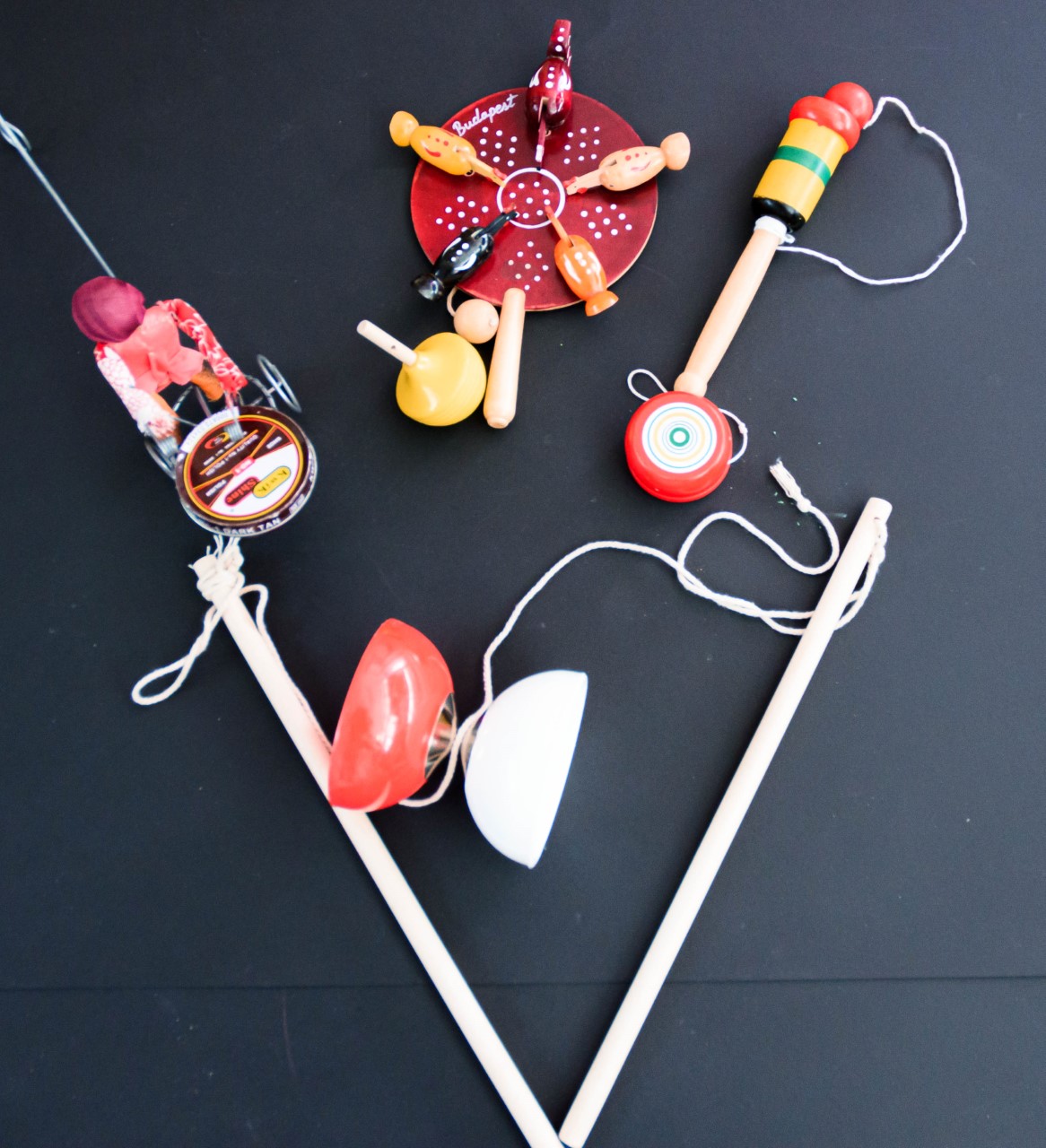
Year 2: Changes in Technology and Toys
-
Year 3: How We Travel and Places We Have Been To
-
Year 4: My Family and Homes
These topics have been selected to be relevant, engaging and meaningful for our pupils. By connecting learning to their own experiences, interests and everyday lives, pupils are supported to develop an understanding of the past in a way that is purposeful, accessible and memorable. At least one trip with History as a focus is planned for Progression classes each academic year.
In the Progression Pathways History teachers use progression milestones to assess learning and plan next steps for pupils.
Within our Multi-Sensory and Engagement pathways we have an overarching theme on a rolling 4 yearly programme as both pathways are non-subject specific. In the Multisensory pathway Historical skills will be covered through ‘My Independence’ sessions which will be sensory activities that are planned around individuals interests and themed targets for each child.
In the Engagement Pathway Historical skills will introduced through ‘Exploration and Discovery’ sessions which will be sensory activities that are planned around individual interests and motivators. In both of the pathways history will be based upon children’s personal history and experiences. Historical concepts will be embedded within meaningful, sensory-rich experiences that support the learner's developmental stage, communication, and engagement.
Our EYFS classes are within the engagement and multisensory pathways and as such follow the same focus. This allows the pupils to develop an understanding of their own personal history and develop key communication and language skills such as information retrieval and expressing their personal experiences to the adults around them
The focus is on developing the foundations that will eventually support historical understanding, rather than learning historical facts, dates, or chronology.
History-related learning might include:
-
Developing awareness of time through predictable daily routines, visual timetables, sequencing familiar events (first, next, last), and anticipating what comes next.
-
Experiencing change by comparing familiar objects, photographs, or environments (e.g. baby photos versus current photos, seasonal changes, changes in the classroom).
-
Exploring personal history through sensory memory books, family photographs, celebrations, birthdays, and significant life events.
-
Celebrating cultural and community events such as festivals, Remembrance Day, or local traditions using sensory activities, music, smells, textures, and stories.
-
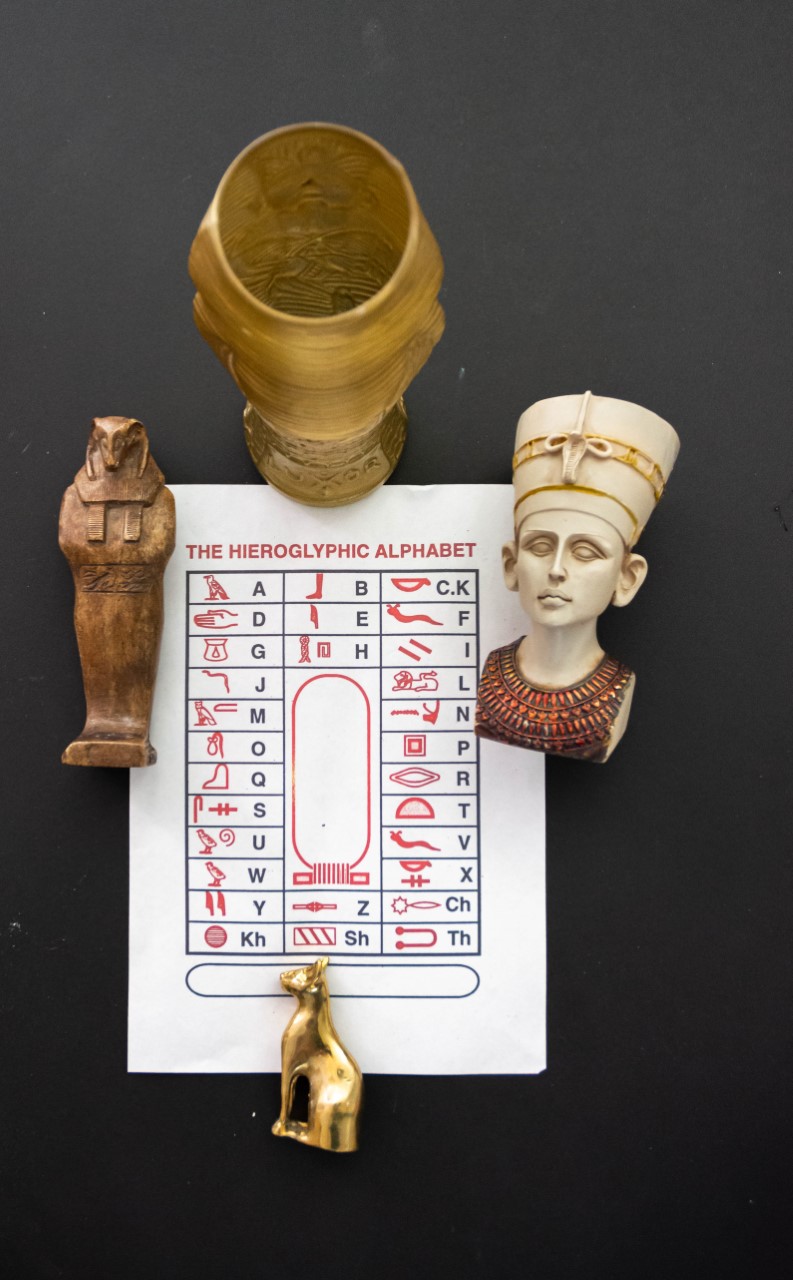
Engaging with artefacts by handling old and new everyday objects (e.g. old telephones, toys, clothing) to experience different materials, sounds, and functions.
-
Listening to stories from the past, adapted with objects of reference, sensory props, music, and role play to encourage engagement rather than factual recall.
-
Developing communication and curiosity by responding to familiar people, objects, photographs, and experiences associated with the past.
History is often taught through daily routines such as; day boards, routines, communication aids, break and lunch times as well as during story times. Pupils within these pathways have access to:
-
Visitors
-
School trips
-
Wider curriculum
-
Individual targets
Within the Functional pathway our History education is covered through their weekly ASDAN, Duke of Edinburgh and options lessons, which develop vocational skills.
Pupils in these pathways also have access to:
-
Visitors
-
School trips
-
Wider curriculum
-
Cross-curricular learning opportunities.
All pathways participate in specialist days and events, such as Remembrance Day.

Pupils in these pathways have access to:
- Weekly topic lessons
- Visitors
- School trips
- Wider curriculum
- Cross-curricular learning opportunities.
History is assessed through History curriculum skills maps and evidence is recorded on Evidence for Learning or within topic books.
Within the Functional pathway our History education is covered through their weekly ASDAN, Duke of Edinburgh and options lessons, which develop vocational skills.
Pupils in these pathways also have access to:
- Visitors
- School trips
- Wider curriculum
- Cross-curricular learning opportunities.
All pathways participate in specialist days and events, such as Remembrance Day.
Impact
Pupils at Kemball will have an understanding of changes over time as well as British, local and world history, which is appropriate for their learning needs. They will have a broad understanding of social, cultural and economic backgrounds that have developed since prehistoric times. Children will have an understanding of chronology that is appropriate for their learning needs.
Our well planned teaching, learning and assessment of History, with our high expectations, will support and enable pupils to reach their full potentials and make progress at their appropriate levels within history learning, skills and knowledge.