Kemball School
Design And Technology
Intent
Design & Technology is an inspiring, rigorous and practical subject. Designing and making usable products gives pupils a real sense of achievement. They benefit from experiencing their own progress and taking responsibility for their own learning. They enjoy the practical application of their ideas. Plus, their personal engagement with the task improves attention span, patience, persistence and commitment.
Our DT education begins in Early Years with opportunities for exploration. This moves through to our Functional Pathway where pupils can develop their interest at a deeper level through Duke of Edinburgh, Options and ASDAN. Our curriculum offer provides opportunities which enables our pupils from all pathways to explore at a sensory level to developing key skills.
DT works in close collaboration with Art in order to explore design elements of products and what makes them pleasing to use and to have around us in everyday life.
Through our teaching of Design and Technology we aim to:
· Provide opportunities for pupils to express their thoughts, opinions and ideas.
· Develop and value the imagination of the individual.
· Develop the individual’s ability to explore, observe and question the world around them.
· To be open and collaborative team players who can work together to solve real problems and are able to take on challenges that develop their independent skills.
· Encourage the exploration and development of skills to enable ideas to be realised.
· Experience a sense of pride and achievement in the piece they have created.
· Encourage pupils to appreciate the work and impact of others.
· Value their own work, and that of others, through the use of effective and stimulating display and evaluation.
· Develop gross and fine motor skills through the safe handling of a range of tools and materials.
· Provide opportunities for pupils to make choices from a range of materials and tools. ·
· Provide opportunities to explore and evaluate existing products.
· To encourage students to design and make products that solve real and appropriate problems within a variety of contexts.
Implementation
Our school is formed into four pathways which all explore DT in the most purposeful way for their cohort. Each are designed to spike curiosity with cross curricular links and offer opportunity for skill progression. The skills we focus on as a school are:
- Design
- Make
- Evaluate
- Recyclable & Sheet Materials
- Mouldable Materials
- Textiles
- Construction
- Mechanisms
- Cooking & Nutrition
In Multisensory and Engagement pathways, DT is explored through a wide range of opportunities linked throughout the curriculum. These opportunities focus on expression, exploration and development of key DT skills which are appropriate for the individual. Learners access DT through sensory-based experiences linked to overarching themes.
In Engagement pathway, DT is delivered through investigating “Exploration and Discovery.” Pupils are encouraged to build knowledge, vocabulary and curiosity through repetition and a sensory based curriculum. The curriculum allows for pupils to foster an enjoyment for learning and the development of skills. DT is not explicitly taught, but cross curricular links are made when opportunities are presented.
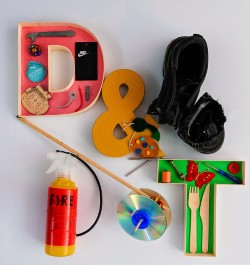
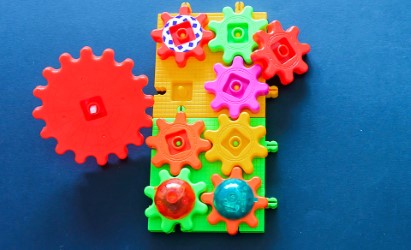
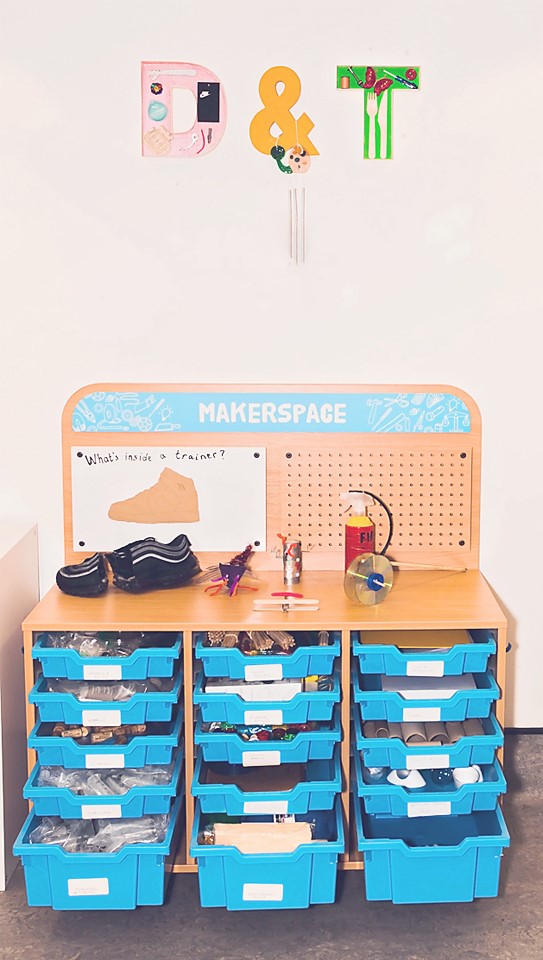

In Progression pathway, DT is taught through discrete topic-based approach being taught for 1 week per half term in order for it to make meaningful links and concepts for our pupils. Each key stage focusses on different themes to ensure continued interest in the subject as well as acquiring new knowledge.
In Functional pathway, DT learning is an area to be explored at a deeper level with an emphasis on pupils choosing themes and skills which they are wanting to develop. Researching, resourcing, planning, collaborating, designing, making and marketing are all skills and processes rooted in Design and Technology. Food preparation, healthy living and understanding where our food comes from is embedded into the curriculum. Learners develop DT knowledge and skills through practical, real-life contexts. DT is embedded within accredited and preparation-for-adulthood programmes including Duke of Edinburgh, ASDAN, Travel Training, Careers education, and Options groups.
Impact
Students will develop their knowledge and appreciation of DT in everyday life, and its place in the wider world. Exploration of objects, mechanisms and design is equally as important as making something. Through DT-based activities, learners are developing their creative communication and problem solving in order to display their own preferences, thoughts and ideas.
Work and projects are celebrated by being put on display for others to appreciate.